
Style Journal
Bespoke Tailoring Guides & GentleMen's Dress Shirts Wholesale, Custom Dress Shirt Manufacturer, Wholesale Men's Shirts, Private Label Dress Shirts, Bulk Dress Shirts, Men's Shirt Supplier's Sartorial Advice
Mastering Custom Style
Meticulous Design & Modern Elegance
Sartorial Excellence
Timeless Wisdom from Columbus Master Clothiers
2026 Best Men's Custom Dress Shirts for Global Buyers
Table of Contents
- What Defines a Custom Dress Shirt for Men in 2026
- How to Choose Fabrics, Fits, Collars, Cuffs, and Personal Details
- Which Custom Shirt Features Suit Different Global Markets
- How to Compare Tailors, Manufacturers, Quality, Pricing, and Minimum Orders
- How to Manage International Sizing, Shipping, Duties, and Returns
- FAQS
- Conclusion
- Related Posts
For global buyers, Men's Custom Dress Shirts are no longer judged by appearance alone. Fit, fabric performance, production consistency, and clear communication now matter equally. A shirt may look excellent online, yet feel restrictive at the shoulders after eight hours. That practical gap deserves attention.
This 2026 guide examines reliable options for business owners, retailers, and individual customers. It considers collar construction, cuff styles, shrinkage control, stitching density, and measurement accuracy. It also looks at cotton origins, fabric weights, color consistency, and care instructions. A well-made shirt should support movement, hold its shape, and remain presentable after repeated washing.
Details make the difference. A firm collar should sit neatly beneath a jacket. Sleeve cuffs should reach the wrist without covering the hand. Buttons need secure attachment, especially during frequent wear. Buyers should request size charts, fabric samples, production photographs, and a clear correction policy. Supplier experience helps, but it does not replace verification. Mistakes still happen. Some descriptions sound more precise than the actual product. A measured sample can reveal more than polished promises.
International orders require additional care. Buyers should confirm sizing units, delivery terms, labeling requirements, and communication schedules before production. Fabric preferences can also vary across climates. Lightweight cotton may suit humid regions, while denser weaves can perform better in cooler offices. This guide compares practical choices with a critical perspective, helping readers identify quality beyond attractive photography. Reliability is built through evidence, not slogans.
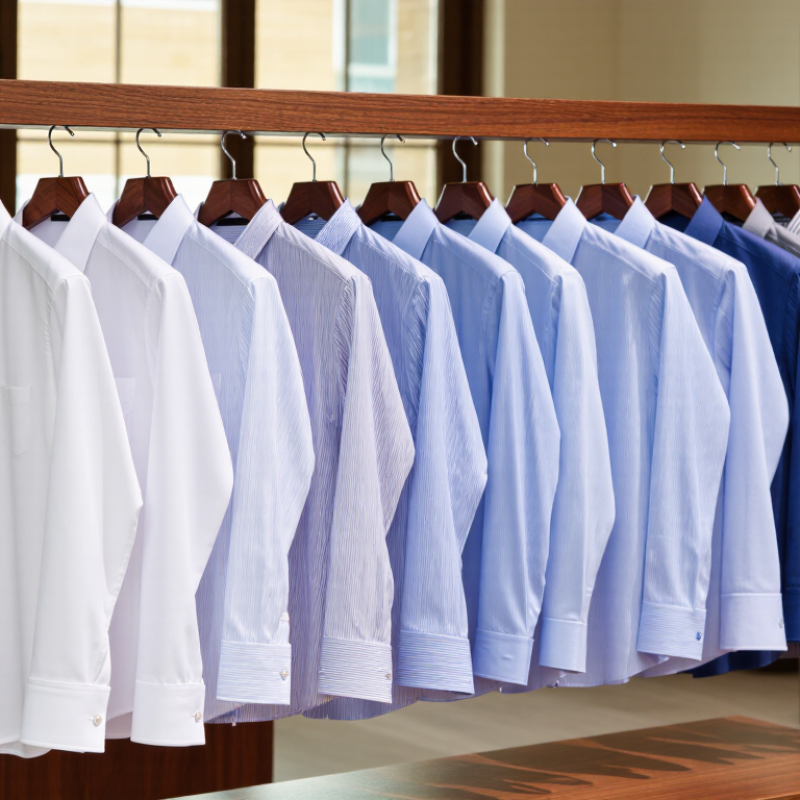
What Defines a Custom Dress Shirt for Men in 2026
In 2026, a custom dress shirt for men means more than adding initials to a collar. It begins with accurate measurements, fabric selection, and a clear understanding of daily use. A shirt for humid Singapore needs different comfort from one worn in a cold European office. Experienced makers consider shoulder slope, sleeve length, collar height, and preferred movement. Small details matter.
Modern customization also includes digital measurement tools, but human review remains essential. A camera may estimate body proportions, yet posture and personal comfort are harder to capture.
The best process checks the chest, waist, cuffs, and arm position before production. Buyers should receive fabric information, care instructions, and realistic delivery details. Traceable materials and consistent sizing improve trust across international orders.
Quality is visible in practical moments. Buttons should close smoothly, seams should remain flat, and the collar should keep its shape after repeated washing. Breathable natural fibers can improve comfort, while wrinkle-resistant blends may suit frequent travelers. However, no fabric solves every problem. A softer cloth may crease faster. A structured collar may feel restrictive. That trade-off deserves honest discussion, not exaggerated promises. My own preference has changed after wearing shirts through long flights and crowded meetings: perfect appearance is useful, but reliable comfort often matters more.
How to Choose Fabrics, Fits, Collars, Cuffs, and Personal Details
Choosing a custom dress shirt begins with fabric, not a color chart. For warm climates, lightweight cotton, linen blends, or breathable poplin can reduce heat. In cooler regions, twill and brushed cotton provide more structure. Check the fabric weight, weave, and care instructions. A beautiful cloth is not practical if it wrinkles after one meeting.
Fit must follow your real movement. Measure the neck, chest, shoulder width, sleeve length, and waist while standing naturally. Leave enough room to raise your arms without pulling across the back. A slim cut may look sharp, but it can feel restrictive after several hours. I once ordered a narrow shirt for a formal event and regretted it before dinner. Measurements should be checked twice, preferably by an experienced tailor.
Collars influence both comfort and appearance. A spread collar suits wider ties, while a moderate point collar creates a cleaner vertical line. Button-down styles can work well for business-casual settings. Choose cuffs based on use. Barrel cuffs are simple for travel, while French cuffs offer a more formal impression.
Personal details should remain useful: initials inside the cuff, a reinforced placket, or a slightly curved hem. Small choices matter. Yet customization is not always improvement. Too many details can make the shirt feel confused, and preferences may change after repeated wear. Request a sample or fitting review when possible, especially when ordering across borders. Clear measurements and fabric information reduce avoidable mistakes.
Which Custom Shirt Features Suit Different Global Markets
2026 Best Men's Custom Dress Shirts for Global Buyers
Which Custom Shirt Features Suit Different Global Markets
Custom dress shirts should respond to climate, workplace habits, and regional fit preferences. In Gulf markets, lightweight cotton, linen blends, hidden plackets, and breathable back panels can reduce heat discomfort. Southeast Asian buyers often need quick-drying fabrics, shorter shirt lengths, and flexible sleeve options for humid commutes. European customers may prefer structured collars, precise cuffs, and understated colors for formal offices. North American buyers often value wrinkle resistance, relaxed tailoring, and broader size grading. Fit is personal. A universal pattern remains tempting, but it is usually a mistake.
Material transparency now affects purchasing decisions. The 2024 Textile Exchange Materials Market Report recorded 124 million tonnes of global fiber production in 2023. It projects approximately 160 million tonnes by 2030. Custom suppliers should therefore offer traceable cotton, recycled fibers, and clear care instructions. However, recycled content alone does not prove responsible production. Buyers should check fiber percentages, factory certifications, and testing records. Small details matter.
Digital measurement can improve international ordering, but it cannot eliminate uncertainty. ISO 8559-1 provides a useful framework for body measurements, yet customers still measure differently at home. A practical system should request chest, waist, shoulder, sleeve, and preferred shirt length. It should also allow manual corrections after the first fitting. That extra step costs time. It may prevent expensive returns.
How to Compare Tailors, Manufacturers, Quality, Pricing, and Minimum Orders
For global buyers, comparing custom dress-shirt suppliers starts with the working relationship, not a polished catalog. A skilled tailor suits small runs and unusual measurements. A manufacturer may offer steadier production, clearer size data, and lower unit costs at volume. Ask who drafts the pattern, who checks stitching, and who handles corrections. Request a sample made from the proposed fabric, not a substitute. I once approved a shirt from a soft sample, then received a stiffer production cloth. That mistake changed my checklist.
Judge quality under bright, natural light. Check collar points, sleeve plackets, button attachment, seam density, and pattern matching. Measure the finished shirt after washing it according to care instructions. A neat first sample can still shrink or twist. Ask for fabric composition, weight, shrinkage results, colorfastness records, and inspection photos. Independent testing adds confidence when orders are large. Still, paperwork does not replace touching the cloth. Keep one approved sample with signed measurements and construction notes.
Compare pricing line by line. Include fabric, pattern setup, sampling, labels, packing, freight, payment fees, and possible rework. The lowest quote may hide a costly minimum order. Ask whether the MOQ applies per style, color, fabric, or total shipment. Negotiate a pilot batch before committing to hundreds of pieces. Clarify lead times and correction policies in writing. My own weak point is rushing when a quote looks attractive. A slower comparison often reveals better value, although not always the lowest price.
How to Manage International Sizing, Shipping, Duties, and Returns
2026 Best Men's Custom Dress Shirts for Global Buyers
International sizing is not truly international. A 41-centimeter collar may feel different across measuring systems and factories. Use centimeters, inches, chest, waist, shoulder, sleeve, and neck measurements. Ask customers to measure a well-fitting shirt on a flat table. Add a simple sketch showing where the tape should rest. ISO 8559 supports body-measurement principles, but it does not guarantee identical retail sizing. Fit samples still matter.
Shipping terms need plain language. DAP may leave the buyer paying import duties and local taxes. DDP can include those charges, but sellers must confirm destination rules before quoting a final price. Customs classification, fabric composition, origin, and declared value can change the landed cost. The 2024 DHL E-Commerce Trends Report found that cross-border shopping is already common, yet delivery cost and trust remain major purchase concerns. A $120 shirt can become a poor deal after a $35 duty bill and brokerage fee.
Returns deserve equal planning. The 2024 NRF and Happy Returns report estimated $890 billion in U.S. merchandise returns, representing 16.9% of annual retail sales. Custom garments create extra risk because resale may be difficult. Set a measurement review before production, photograph the finished shirt, and state alteration limits clearly. A remake policy may be fairer than a full refund.
Still, mistakes happen. A sleeve can be two centimeters short. That should be acknowledged, not hidden. Track return reasons by country, because repeated “tight chest” feedback may reveal a pattern, not careless customers.
FAQS
Lightweight cotton or linen blends can reduce heat discomfort. Hidden plackets create a cleaner appearance. Breathable back panels may improve airflow. Fit still matters.
Quick-drying fabrics suit humid commutes. Shorter shirt lengths can feel more practical. Flexible sleeve options support changing temperatures and travel needs. Measure carefully.
Structured collars, precise cuffs, and understated colors often suit formal workplaces. A clean white or pale blue shirt remains versatile. Personal preferences still vary.
Wrinkle-resistant fabrics can help during travel. Relaxed tailoring may provide more comfort. Broader size grading can support different body shapes. One pattern cannot fit everyone.
The supplier should list exact fiber percentages. Traceable cotton and recycled fibers may improve purchasing confidence. Clear washing instructions should accompany every order. Recycled content alone proves little.
Ask for chest, waist, shoulder, sleeve, and preferred shirt length. Customers can measure a favorite shirt on a flat table. A simple tape-placement sketch reduces confusion. Manual corrections after fitting remain useful. The system is not perfect.
Sellers should state whether duties and local taxes are included. A $120 shirt might gain a $35 duty and brokerage charge. Fabric content, origin, declared value, and customs classification can change the final cost. Surprises damage trust.
Review measurements before production. Photograph the finished shirt before dispatch. State alteration limits clearly. A remake may be fairer than a full refund. Mistakes happen. Track return reasons by country. Repeated tight-chest feedback may reveal a sizing problem.
Conclusion
Men’s Custom Dress Shirts in 2026 are defined by a balance of precise fit, quality materials, personal expression, and practical performance. This guide explains how global buyers can select fabrics according to climate, comfort, durability, and care needs, then refine the design through fit, collar shape, cuff style, buttons, stitching, monograms, and other personal details. It also considers how different markets may prefer specific levels of formality, fabric weights, colors, and functional features.
The article further shows how to compare tailors and manufacturers by evaluating craftsmanship, communication, sampling, quality control, pricing transparency, and minimum order quantities. For international purchases, buyers should manage measurements carefully, confirm sizing standards, understand production timelines, and plan for shipping, import duties, taxes, and return conditions. With a clear specification and reliable supplier evaluation process, customers can order custom shirts that offer consistent quality, appropriate styling, and dependable value across global markets.
Blog Tags: