Insights & Craftsmanship

Style Journal

Bespoke Tailoring Guides & GentleCustom Blazers Wholesale, Custom Blazer Manufacturer, Wholesale Blazer Supplier, Private Label Blazers, Bulk Blazer Jackets, Custom Suit Jacket Manufacturer's Sartorial Advice

Art of Fit & Fabrics

Mastering Custom Style

Meticulous Design & Modern Elegance

Gentleman's Guide

Sartorial Excellence

Timeless Wisdom from Columbus Master Clothiers

0%

Choosing the best Custom Blazer Jackets manufacturer in China means looking beyond a polished catalogue. A blazer may look sharp on a hanger, yet fit poorly after one wash. Fabric consistency, pattern accuracy, lining, button attachment, and sample approval all matter. So does clear communication.

McKinsey & Company and The Business of Fashion projected 2–4% growth for the global fashion industry in 2024 in The State of Fashion 2024. That forecast describes the wider industry, not custom blazer production specifically. Still, it highlights a market where brands must balance product quality and commercial discipline. Buyers should ask manufacturers for measurable details: fabric composition, size tolerances, sample timelines, inspection steps, and realistic minimum order quantities. Ask to see a production sample, not only a showroom piece. Small differences show up quickly: a sleeve twisting at the cuff, a collar lifting at the back, or checks that fail to align.

Fashion designer Tom Ford is widely associated with the line, “Dressing well is a form of good manners.” It speaks to the care behind a well-made jacket. But a memorable quote cannot verify a factory’s claims. Evidence can. Compare written specifications with samples and production records. Check whether the same standards apply across repeat orders. There is no perfect supplier for every brand. Price, speed, and flexibility can pull in different directions, and that trade-off deserves honest scrutiny. A reliable manufacturer makes those limits visible before bulk production begins.
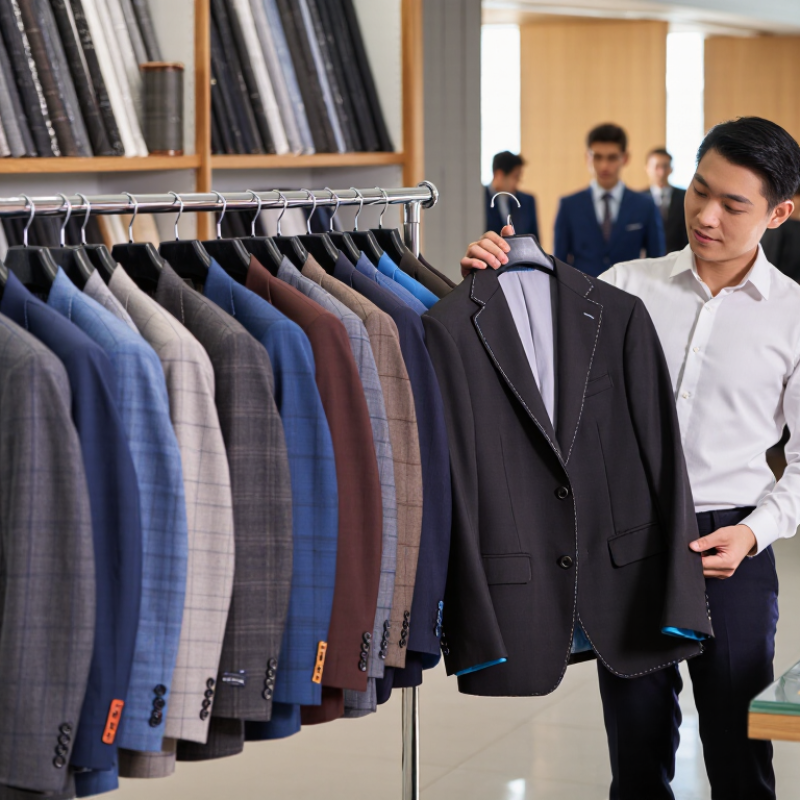
Best Custom Blazer Jackets Manufacturer in China?

What Defines a Custom Blazer Jacket Manufacturer in China?

A custom blazer jacket manufacturer in China is defined by control over the product, not just a low quotation. Look for an in-house pattern team, documented sampling process, and clear ownership of fabric sourcing and production. Ask to see a size set, a pre-production sample, and inspection records. Small details matter: lapel roll, sleeve pitch, shoulder balance, and clean buttonholes. They reveal more than a polished factory tour.

Material knowledge matters too. Textile Exchange’s Materials Market Report 2024 estimates global fiber production reached 124 million tonnes in 2023, with polyester making up about 57%. A capable manufacturer should explain fiber content, fabric weight, shrinkage testing, and available traceability records. Ask how they check cloth before cutting; a flaw found after sewing can waste an entire panel. The report describes a huge, complex supply chain, not a guarantee of any individual factory’s performance.

Reliable partners also share realistic lead times, minimum order quantities, and quality checkpoints in writing. Request measurements for key points, such as chest width and sleeve length, and confirm how tolerances are handled. A sample can look excellent while bulk production varies. That is easy to overlook. Review defects together and ask what changes on the next run. No factory is perfect; transparent correction is a stronger sign than a flawless promise.

How Are Custom Blazer Jackets Designed and Produced?

A custom blazer begins with a clear design brief: intended fit, use, climate, and target price. Designers review reference images, then confirm details such as lapel width, button stance, pocket shape, lining, and vent style. Fabric choice affects both appearance and construction. A lightweight wool blend drapes differently from cotton twill, so the pattern and sewing methods may need adjustment. Small details matter. Before cutting, the maker checks fabric weight, color consistency, and shrinkage, then drafts a pattern around the measurements and fit preferences.

A first sample tests the design in real cloth. The team checks shoulder balance, chest ease, sleeve pitch, and jacket length on a fit model or wearer. Pinning the back or adjusting sleeve length is common; a flat sketch cannot reveal every issue. After comments are recorded, the pattern is revised, and a second sample may be needed. Once approved, fabric is spread and cut, then the blazer is assembled with careful pressing, lining attachment, and buttonhole finishing. During production, in-line checks can catch uneven seams or mismatched panels before final pressing. Keep a measurement sheet and sample notes. They reduce confusion, but cannot replace regular communication. The process is rarely perfect on the first try.

How Custom Blazer Jackets Are Designed and Produced

Illustrative working-day schedule for a custom blazer order

The chart shows a sample production plan, from design and pattern development through sewing and quality checks. Actual lead times vary with design complexity, fabric availability, fitting rounds, and order size.

Which Capabilities Matter When Comparing Manufacturers?

Best Custom Blazer Jackets Manufacturer in China?
Which Capabilities Matter When Comparing Manufacturers?

A manufacturer’s real capability shows in how it turns a tech pack into a wearable blazer. Ask how it handles shoulder structure, lapel shape, lining, and pocket placement. These details affect both appearance and movement. Request a sample in your intended fabric, not just a similar substitute. Small details matter.

Inspect the sample closely. Check whether the sleeve pitch feels natural, seams lie flat, and button spacing stays consistent. Ask how measurements are recorded and checked during bulk production. A clear inspection process should identify defects before finished jackets are packed. A polished sample can still hide uneven production, so ask for measurements from several units in a production run.

Material sourcing, capacity, and communication matter too. Confirm that the factory can source your chosen wool blend, buttons, and lining within the required schedule. Ask what happens when fabric shades vary between rolls. You may not get a perfect answer on the first call. Notice whether the team explains risks plainly and shares practical options. I would compare written specifications, sample quality, and response times together, rather than choosing on price alone.

Best Custom Blazer Jackets Manufacturer in China? - Which Capabilities Matter When Comparing Manufacturers?

Capability What to compare Evidence to request Useful comparison method
Pattern making and fit Ability to develop patterns from a tech pack, measurement chart, reference garment, or fit sample; grading across the requested size range. A sample pattern or measurement spec, documented fitting comments, and a revised sample showing how corrections were applied. Send the same brief to each candidate and compare measurement accuracy, fit revisions, and approval steps.
Blazer construction Experience with the specified construction, such as fused, half-canvas, or full-canvas fronts, as well as lapels, shoulders, sleeves, vents, and pocket styles. A construction breakdown, close-up photos, and a physical sample matching the requested internal components and finishing. Compare samples made to the same construction specification; inspect the inside as well as the exterior.
Fabric and trim sourcing Access to the required fabric composition, weight, color, lining, buttons, interlining, and other specified trims; ability to manage substitutions with approval. Fabric swatches, composition and weight details, color references, trim samples, and available test reports where relevant. Confirm that quoted materials match the brief and that any substitutions require written approval.
Sampling and development Defined steps for prototype, fit sample, pre-production sample, and approval, with clear sample charges and revision handling. A sample plan listing deliverables, estimated dates, included revisions, and approval requirements. Compare the full development process, not just the first-sample price or quoted sample time.
Quality control Written inspection points for measurements, seam quality, pressing, appearance, labeling, and packing; a process for recording and correcting defects. Inspection checklist, sample inspection report, defect records, and the agreed inspection or sampling plan. Agree on defect definitions and acceptance criteria before production. If using AQL sampling, specify the plan and limits in writing.
Production capacity and scheduling Capacity for the requested style, size breakdown, order quantity, and delivery window, including how production slots are allocated. A production schedule showing material readiness, cutting, sewing, finishing, inspection, and packing milestones. Compare a dated schedule for the same order assumptions; distinguish sample lead time from bulk production lead time.
Minimum order quantity and costing Minimum order quantity by style, color, and fabric; price basis and any charges for sampling, patterns, labels, or special packaging. An itemized quotation stating quantities, currency, included materials and services, exclusions, and quote validity. Compare quotations using identical fabric, construction, order quantity, delivery terms, and packaging assumptions.
Compliance and traceability Ability to meet applicable product, chemical, labeling, and social-compliance requirements for the destination market and order. Relevant certificates or audit reports, test reports, and confirmation of the facility and product scope they cover. Check validity, issuing body, date, facility, and scope; do not treat a certificate as proof of requirements it does not cover.
Communication and change control Clear ownership of technical questions, timely progress updates, and documented approval for changes to measurements, materials, or delivery plans. A named project contact, a written update schedule, and examples of how revisions and approvals are recorded. Use the same questions and response deadlines when evaluating communication during the quotation and sampling stages.
Shipping and packing Packing method, carton specifications, labeling, shipment documentation, and clarity about delivery terms and responsibilities. Packing specification, carton measurements and weights when available, and a quotation stating the agreed shipping term. Compare landed-cost assumptions and confirm who arranges freight, insurance, export documents, and import clearance.

Comparison note: Request the same specifications and order assumptions from every candidate. Verify claims with samples, written documents, and clearly defined approval criteria.

How Can You Assess Quality, Materials, and Compliance?

Assess a custom blazer manufacturer with a finished sample, not a polished sales image. Check whether the lapels sit evenly, the sleeve pitch feels natural, and the lining stays smooth when the jacket is buttoned. Inspect shoulder seams and buttonholes under bright light. Small flaws are easier to spot there. Ask for the measurement chart and tolerance range, then compare them with the sample. A checklist helps, but it cannot catch everything.

Material choice affects both appearance and wear. Request fabric composition, weight, and swatches before approving production. Rub a swatch gently and check for loose fibers, uneven dye, or excessive shine. For wool blends, ask how the fabric behaves after pressing and cleaning. Confirm that lining, interlining, buttons, and thread match the agreed specification. One useful test is to wear the sample for several hours. Comfort matters, though fit can still vary between bodies.

Compliance should be checked against the destination market and the product’s specific claims. Ask for current test reports, material declarations, and certificates relevant to the order; verify their scope and issuing organization. A certificate alone is not enough. Confirm that production records and labels match the actual garment. Request a pre-production sample and an inspection plan covering measurements, stitching, and packing. Plans can change, so keep written approvals and review any substitutions before shipment.

How Do You Choose the Right Manufacturer for Your Needs?

Choosing a custom blazer manufacturer in China starts with matching its capabilities to your actual order. Share a clear tech pack with measurements, fabric composition, lining details, button placement, and finishing requirements. Then ask how the factory handles pattern development, grading, sample revisions, and production checks. A polished sample is useful, but consistency matters more. Request details on how measurements are checked across sizes and how defects are recorded before shipment.

Check whether the manufacturer can source your preferred cloth and explain its weight, drape, and care needs. Ask for a pre-production sample made with the intended fabric and trims. Discuss minimum quantities, lead times, payment milestones, and how changes affect cost. Keep decisions in written records. A video call can show the workspace, but it cannot replace clear documentation or independent checks when order value justifies them. I would not choose on price alone; still, a high quote is not proof of better workmanship.

Tips: Send one reference blazer with marked measurements, if available. Ask for close-up photos of seams, lapels, buttonholes, and inside finishing. Confirm who approves the final sample. Allow time for corrections; schedules can slip, and my estimate may be too optimistic. A small trial order can reveal communication gaps before you commit to a larger run.

FAQS

What defines a capable custom blazer manufacturer in China?

Look for an in-house pattern team, a documented sampling process, and clear responsibility for fabric sourcing and production. A low quote alone proves little.

Which blazer details should be checked on a sample?

Inspect the lapel roll, shoulder balance, sleeve pitch, and buttonholes. Small details matter. A polished factory tour cannot show how a jacket fits.

What should a manufacturer explain about fabric?

Ask about fiber content, fabric weight, shrinkage testing, and available traceability records. Check the cloth before cutting; a flaw can waste a whole panel.

What information belongs in a design brief?

Include fit, intended use, climate, and target price. Confirm lapel width, button position, pocket shape, lining, and vents before pattern work begins.

Why is a sample fitting important?

Real cloth reveals issues a sketch may miss. Check chest ease, sleeve length, jacket length, and shoulder balance on a wearer or fit model.

How many samples might a blazer need?

A first sample tests the design, and revisions may lead to another. Not always. The right number depends on fit changes and recorded feedback.

How are quality problems caught during production?

In-line checks can spot uneven seams or mismatched panels before final pressing. Keep measurement sheets and sample notes, but stay in contact with the production team.

What records should buyers request?

Ask for a size set, pre-production sample, inspection records, and written measurement tolerances. Bulk production can differ from a good sample; that is easy to overlook.

What makes a manufacturer’s quality promise credible?

Realistic lead times, minimum order quantities, and written checkpoints help set expectations. No factory is perfect. Transparent corrections may matter more than a flawless promise.

Conclusion

Choosing the right manufacturer for Custom Blazer Jackets in China begins with understanding how well a supplier can turn a design concept into a consistent, wearable product. A capable manufacturer should support key stages of development, from discussing fit, construction, fabric, colors, and finishing details to creating samples and organizing production. Clear communication and a well-defined process help ensure that expectations are understood before an order moves forward.

When comparing manufacturers, consider their experience with similar garments, production capacity, customization options, sampling process, and ability to maintain consistent quality. Ask about fabric sourcing, stitching and finishing standards, inspection procedures, and relevant compliance documentation. Reviewing samples and confirming specifications, timelines, and order requirements can help you make an informed choice. The best fit is a manufacturer whose capabilities, quality controls, communication, and production scale align with your product goals.
Oliver

Oliver

Oliver is a dedicated marketing professional with a profound expertise in our company's products and services. With a keen understanding of the market dynamics and customer needs, he plays a pivotal role in crafting strategies that highlight our core business offerings. Oliver regularly updates our......