
Style Journal
Bespoke Tailoring Guides & Gentlemen's Sartorial Advice
Mastering Custom Style
Meticulous Design & Modern Elegance
Sartorial Excellence
Timeless Wisdom from Columbus Master Clothiers
How to Choose Custom Tailored Suits for Your Business Needs?
Table of Contents
Choosing the right attire is vital for any business professional. Custom Tailored Suits offer a blend of sophistication and personal style. According to a report by Statista, the global menswear market was valued at approximately 500 billion U.S. dollars in 2020, emphasizing the importance of professional appearance. Customization adds value, as tailored suits result in better fitting and enhanced comfort compared to off-the-rack alternatives.
A well-fitted suit can elevate confidence and make a strong impression. Research indicates that 93% of first impressions are made visually. This statistic underlines the significant impact that Custom Tailored Suits have on professional settings. However, some may overlook the importance of tailoring, opting for generic fits that do not reflect their unique attributes.
Selecting the ideal tailored suit involves understanding fabric, cut, and personal style. Not all suits cater to every body type or professional environment. A tailored suit should not only look good but also feel comfortable and functionally appropriate for the workplace. Taking the time to research and reflect on individual needs can lead to more effective choices in formal wear.
Understanding Your Business Attire Requirements
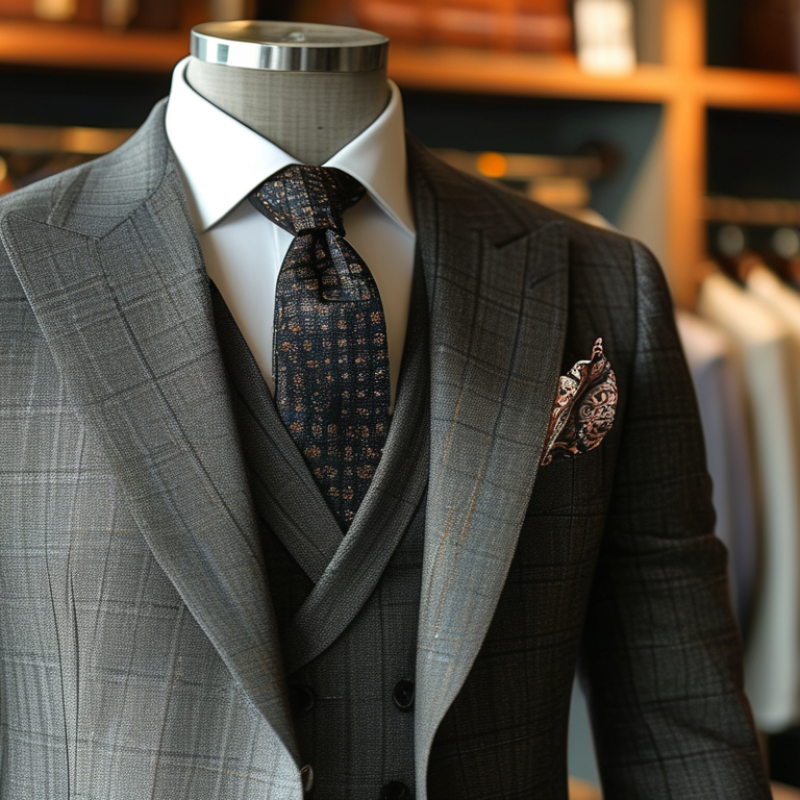
Understanding your business attire requirements is essential when choosing custom tailored suits. Your profession might dictate how formal or relaxed your outfit should be. Consider the nature of meetings, client interactions, and office culture. A financial consultant may require a more classic suit, while a creative director might prefer something more avant-garde.
Every detail matters. Think about fabric choices. Wool suits are versatile and durable, while linen suits work well in warmer climates. Pay attention to color; navy and grey are professional, while lighter shades can showcase a bold personality. Reflect on your body type too; a well-fitted suit accentuates your best features.
Think about practical aspects as well. How often will you wear the suit? Ensure it meets all your needs. A tailored suit should also be comfortable for all-day wear, as discomfort can affect your confidence. Remember to account for alterations; a perfect fit may require adjustments over time. Investing in quality can sometimes lead to surprises—what feels right at first may not wear the same after several months. Always keep an open mind for adjustments in style and fit.
Identifying the Right Fabric for Custom Suits
Choosing the right fabric for custom suits is crucial in meeting business needs. The fabric determines not just the look, but also the comfort and durability of the suit. According to a report by the Custom Tailored Clothing Association, around 70% of suit buyers prioritize fabric selection when making their decisions. This highlights the importance of understanding different materials.
Wool remains a top choice for many professionals. It offers breathability and natural elasticity. High-quality wool can last for years, making it a reliable option. However, it’s essential to consider weight as well. A lighter fabric may be more suitable for warmer climates, while heavier options provide comfort in cooler environments. Consider seasonal fabrics too, like linen for summer and cashmere blends for winter.
Other fabrics, like cotton and synthetic blends, have their pros and cons. Cotton offers comfort and ease, but may wrinkle easily. Synthetic fabrics can provide more durability and resilience but might lack breathability. Evaluating how the fabric drapes and feels is also vital. Different textures affect overall appearance and perception. Don't overlook these details when selecting fabric for bespoke suits.
Selecting Fit Styles That Complement Your Body Shape
Choosing the right fit style for your tailored suit is essential. A well-fitted suit enhances your silhouette and boosts confidence. When considering body shape, take note of your proportions. For example, an athletic build might look great in a slim-fit suit, while a more rounded figure may benefit from a classic cut. Each person's body tells a unique story. Understanding yours is crucial to make the right choice.
It's important to explore various styles. If you have broad shoulders, opt for softer, tailored lines that avoid adding bulk. A tall frame can handle double-breasted suits well, while a petite stature may require more streamlined options. Experimentation can lead to unexpected results. Sometimes, styles you may overlook could surprise you. Don't hesitate to consult professionals. Their expertise can guide you through choices that you might not have considered.
Pay attention to fabric and pattern as well. The right material can influence the suit’s drape, impacting how it fits. Check the arm and waist areas for comfort; a tight fit can restrict movement. Instead of aiming for perfection, embrace the process of finding what works best for you. Reflect on your experiences with past suits to refine your choices. Each step can lead you closer to a suit that feels as good as it looks.
How to Choose Custom Tailored Suits for Your Business Needs?
| Fit Style | Body Shape | Recommended Fabric | Occasion |
|---|---|---|---|
| Slim Fit | Athletic | Wool Blend | Formal Meetings |
| Classic Fit | Average | Cotton | Business Casual |
| Regular Fit | Full Figure | Linen | Summer Events |
| Tailored Fit | Rectangle | Silk Blend | Weddings |
| Contemporary Fit | Triangular | Polyester | Networking Events |
Choosing Colors and Patterns for Professional Appearance
Choosing colors and patterns for your tailored suit is essential. These elements reflect your professionalism and personality. Colors like navy, charcoal, and black are classic. They evoke trust and authority. Lighter shades such as beige or light gray can soften your look, adding approachability.
Patterns also play a significant role. Pinstripes can enhance your stature. However, busy patterns might distract from your message. Small checks or subtle houndstooth can be versatile choices. Think about the environment where you'll wear the suit. A traditional office might require more conservative styles, while creative workplaces allow for bolder choices.
It's important to be mindful of how you feel in these colors. You may prefer bold choices, yet they might not suit all business environments. Reflect on past experiences with color and pattern to guide your selection. Your suit should enhance your confidence, not overwhelm you.
Finding a Reputable Tailor for Custom Suit Creation
Finding a reputable tailor for custom suit creation is essential for achieving the perfect fit. According to a report by the Custom Tailors and Designers Association, 70% of men struggle to find suits that fit well off the rack. This emphasizes the importance of choosing a skilled tailor who understands fit, style, and your specific needs.
When researching potential tailors, look for online reviews and testimonials. Many customers share their experiences, which can provide insight into a tailor's capabilities. A good tailor should have a portfolio showcasing a variety of styles and fits. However, be aware that some tailors may oversell their expertise. Understanding basic fabric types can also help gauge their knowledge. The right materials can elevate your suit’s appearance and durability.
It's crucial to communicate your vision clearly. Some tailors may not fully grasp your style preferences. Collaborating effectively ensures that the final product aligns with your expectations. Additionally, consider their fitting process. A reputable tailor typically conducts multiple fittings to achieve the desired look. This level of attention to detail ensures that each suit is uniquely crafted for you, addressing any fit issues along the way.
FAQS
: Consider meeting types, client interactions, and office culture. Different jobs have different requirements.
Wool is versatile and durable. Linen suits are better for warmer climates. Your choice impacts comfort.
A well-fitted suit boosts confidence and enhances your silhouette. It should complement your body type effectively.
Classic colors like navy and charcoal convey professionalism. Lighter shades can display a bold personality when suitable.
Experiment with styles; sometimes unexpected options may surprise you. Consulting a professional could offer new perspectives.
A perfect fit may not last over time. Be open to adjustments for comfort and style as your body changes.
Yes, patterns can enhance or detract from your appearance. Subtle designs are generally more versatile for professional settings.
Pay attention to fit in the arm and waist areas. Discomfort can undermine your confidence during important interactions.
Classic styles are safe, but don’t shy away from bold options if your environment permits. Reflect on past choices.
Your suit should enhance, not overwhelm. Think about your personality and comfort level when making choices.
Conclusion
When selecting custom tailored suits for your business needs, it is essential to first understand your specific attire requirements based on your work environment and professional image. Identifying the right fabric is crucial, as it not only affects the overall look but also the comfort and durability of the suit. Additionally, choosing fit styles that complement your body shape ensures that you present yourself in the best light.
Color and pattern selection plays a significant role in projecting a professional appearance, so opt for shades and designs that resonate with your industry and personal branding. Finally, finding a reputable tailor who specializes in custom suit creation can make a significant difference in achieving a perfect fit and style. By carefully considering these elements, you can confidently select custom tailored suits that align with your business image and requirements.
Blog Tags: