
Style Journal
Bespoke Tailoring Guides & Gentlefull canvas suits wholesale, custom suits manufacturer, bespoke suits wholesale, custom suit supplier, made to measure suits wholesale, private label suits manufacturer's Sartorial Advice
Mastering Custom Style
Meticulous Design & Modern Elegance
Sartorial Excellence
Timeless Wisdom from Columbus Master Clothiers
What Is a Full Canvas Custom Suit?
Table of Contents
- Definition and Core Structure of a Full Canvas Custom Suit
- How the Canvas Interlining Is Built into the Jacket
- Key Features That Distinguish Full Canvas Construction
- The Custom-Making Process from Measurements to Final Fitting
- Advantages, Limitations, and Care Requirements
- FAQS
- Conclusion
- Related Posts
A full canvas suit is built with a floating layer of horsehair and natural fibers between the fabric and lining. This structure helps the jacket follow your body over time. It also creates a softer, more natural roll across the lapel. Full Canvas Custom Suits are shaped through careful measurements, fittings, and hand-guided adjustments. They are not simply larger garments altered from a standard pattern.
An experienced tailor studies your posture, shoulder slope, chest balance, and preferred movement. During a fitting, small details matter. A sleeve may need only a few millimeters of correction. The jacket should sit cleanly at the neck, while the trousers should rest comfortably without pulling. Many custom makers use temporary basting before completing the final stitching. This process allows practical changes before the suit becomes permanent.
The result can feel personal.
Quality depends on more than canvas construction. Fabric selection, pattern drafting, workmanship, and aftercare all influence performance. A full canvas suit usually requires more time and costs more than fused alternatives. It may not suit someone seeking a quick, low-maintenance purchase. That limitation deserves honest attention. Even excellent tailoring cannot correct unrealistic expectations or poor measurements.
When researching a custom suit, ask about the canvas material, fitting schedule, alteration policy, and tailor’s experience. Look closely at the lapel roll, buttonholes, stitching, and trouser balance. A trustworthy professional should explain these details clearly, without promising perfection. The best choice is not always the most expensive one. It is the suit that fits your body, wardrobe, climate, and daily habits with convincing consistency.
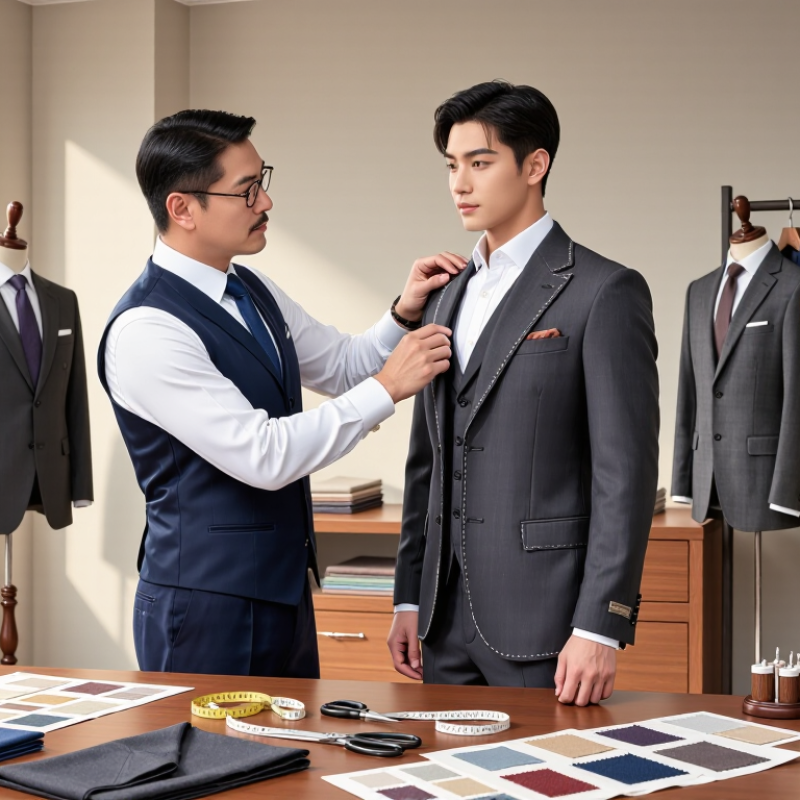
Definition and Core Structure of a Full Canvas Custom Suit
What Is a Full Canvas Custom Suit?
Definition and Core Structure of a Full Canvas Custom Suit
A full canvas suit uses a floating inner layer between the outer cloth and lining. This canvas usually runs from the shoulders to the lower jacket. It is not glued to the fabric. Tailors stitch and pad it into shape with controlled tension. The canvas often includes wool, linen, or haircloth. These materials help the jacket develop a natural chest roll over time.
The core structure has several working layers. The outer cloth provides appearance and durability. The canvas supports the chest and lapels. The lining improves movement and protects the inner construction. Shoulder pads, sleeve heads, and chest pieces refine balance. A full canvas jacket can breathe better than a fused jacket, but it is not automatically comfortable. A poor pattern can still create wrinkles, tight armholes, or uneven lapels. Fit remains the difficult part.
Textile Exchange reported 124 million tonnes of global fiber production in 2023. Polyester represented about 57%, while cotton accounted for approximately 22% in its Materials Market Report 2024. These figures show why fiber selection deserves attention, even in tailored clothing. A canvas made with natural fibers may feel different from synthetic alternatives, but performance depends on weave, density, and workmanship.
Tips: Ask where the canvas begins and ends. Check whether the lapel rolls naturally. Try sitting, reaching, and crossing your arms. Small discomforts become clearer during movement. Also, request construction details in writing. Tailoring terms can sound precise, yet workshop standards vary.
How the Canvas Interlining Is Built into the Jacket
What Is a Full Canvas Custom Suit?
How the Canvas Interlining Is Built into the Jacket
A full canvas suit contains a structured interlining running from the shoulders to the hem. It sits between the outer cloth and the lining. This layer is commonly made from wool, cotton, or horsehair blends. Tailors shape it with controlled stitching, not adhesive. The canvas remains flexible and responds to body heat over time.
During construction, the tailor places the canvas behind the jacket front. Small pad stitches connect it to the cloth around the chest and lapel. These stitches are often nearly invisible from outside. They help create a soft lapel roll and a stable chest shape. The canvas also supports the pockets, button area, and front edge. It is built in before the lining closes the jacket.
A fitting reveals whether this work is successful. The chest should feel supported, not stiff. The lapel should lie close to the chest without pulling. I have found that a beautifully made canvas can still feel wrong if the balance is poorly adjusted. The shoulder angle, posture, and cloth weight all matter. A heavier canvas may improve shape, but it can reduce comfort for some wearers. That trade-off deserves honest discussion. Full canvas is not automatically perfect; careful fitting gives it value.
What Is a Full Canvas Custom Suit?
A full canvas jacket uses a floating canvas interlining that typically runs from the chest and lapel through the lower front and toward the hem. It is hand-shaped with the fabric, helping the jacket develop a natural drape over time.
The chart shows the typical presence of canvas interlining by jacket zone. “1” means the layer is normally present, while “0” means it is not normally extended into that zone. Exact construction can vary by pattern and tailor.
Key Features That Distinguish Full Canvas Construction
What Is a Full Canvas Custom Suit?
A full canvas custom suit uses a fabric layer that runs from the shoulders to the hem. This internal canvas supports the jacket without relying on adhesive. Unlike fused construction, it can respond more naturally to body movement. The result often feels softer after regular wear.
Key features distinguish full canvas construction. The canvas shapes the chest, lapels, and front edges over time. During a fitting, a tailor can adjust the balance, sleeve pitch, and jacket length more precisely. Hand-basting may reveal problems before final stitching. That practical step matters.
The jacket usually develops a personal drape. Details matter. Natural fibers can also improve airflow between the outer cloth and lining. With careful maintenance, the structure may remain adaptable through future alterations.
However, full canvas is not magic. A poorly measured suit can still pull across the buttons or collapse at the collar. Fit remains central. I have seen impressive materials fail when shoulder width was guessed instead of measured.
The construction adds potential, but craftsmanship determines whether that potential becomes comfort. The wearer’s posture, daily movement, and climate should guide the final choices. A heavier canvas may feel substantial, while a lighter one can suit warmer conditions. Price alone does not prove quality. Examine stitching, balance, pressing, and the tailor’s fitting process.
The Custom-Making Process from Measurements to Final Fitting
What Is a Full Canvas Custom Suit?
The Custom-Making Process from Measurements to Final Fitting
A full canvas suit begins with an in-person consultation, not a size chart. The tailor studies posture, shoulder slope, stance, and daily movement. Measurements include the chest, waist, sleeve length, jacket length, and trouser rise. Small details matter. A difference of one centimeter can change the jacket’s balance.
The pattern is then drafted for the individual body. The canvas is hand-shaped between the outer cloth and lining. It helps the jacket follow the wearer’s form and develop character over time. Before final stitching, the tailor usually creates a basted fitting. The jacket may feel unusual at this stage. That is normal. The tailor checks sleeve pitch, collar contact, button placement, and back wrinkles. Fabric behavior can reveal problems that measurements alone cannot predict.
A second fitting may be necessary. Even careful work is not always perfect. Bodies move, and posture changes during the day. A skilled tailor adjusts the pattern rather than hiding problems with excessive padding. The final fitting checks comfort while standing, sitting, and raising the arms. Trousers should rest cleanly without pulling across the hips. Sleeves should show a measured amount of shirt cuff. The best result feels natural, though it may still contain tiny handmade irregularities. That is part of its character.
Advantages, Limitations, and Care Requirements
A full canvas custom suit uses a floating canvas layer from the chest to the hem. It is usually hand-shaped to match the wearer’s posture. The result feels softer with age, rather than flat and stiff. Skilled tailoring also improves chest balance, lapel roll, and movement. These details matter during long meetings or travel.
The advantages are substantial, but not magical. Full canvas construction costs more, weighs slightly more, and may require several fittings. It can also show creases when stored badly. A poorly fitted canvas suit remains poorly fitted. The Textile Exchange Materials Market Report 2024 states that global fiber production reached 124 million tonnes in 2023. That figure reinforces a practical point: longer garment use can reduce replacement pressure, but only when owners maintain clothing carefully. Some claims about “investment quality” feel overstated. Wear still depends on fabric, construction, body changes, and daily habits.
Tips: Hang the suit on a broad wooden hanger. Let it rest for 24 hours after wearing. Brush away dust with a soft clothes brush. Avoid frequent dry cleaning, because solvents can stress fibers and finishes. Air the jacket before storing it. Use breathable garment storage, never sealed plastic. Ask a tailor to repair loose stitching early. A small repair costs less than a damaged canvas. Personally, I would not press a full canvas suit at home without practice. Steam can help, but excessive heat may distort the chest.
What Is a Full Canvas Custom Suit? - Advantages, Limitations, and Care Requirements
| Data Dimension | Full Canvas Custom Suit | Practical Meaning |
|---|---|---|
| Construction | A floating canvas interlining extends through the jacket front, chest, and lapel area. It is secured with stitching rather than being fully bonded to the outer fabric. | The inner structure can adapt gradually to the wearer’s body and helps the jacket retain a natural shape. |
| Canvas Material | The canvas is commonly made from wool, horsehair, cotton, linen, or blended fibers, depending on the desired firmness and drape. | Wool and horsehair blends generally provide shape and resilience, while lighter fibers can improve softness and breathability. |
| Lapel Roll | The lapel is shaped by the canvas and hand or machine stitching instead of relying only on adhesive. | This usually creates a softer, more dimensional lapel roll with a less rigid appearance. |
| Fit Customization | Measurements can be adjusted across the shoulders, chest, waist, sleeve length, jacket length, trousers, and rise. | The suit can address posture differences, uneven shoulders, longer arms, or proportions that are difficult to fit with standard sizing. |
| Durability | A well-made full canvas jacket can maintain its structure for many years when worn in rotation and properly maintained. | Longevity depends on fabric quality, stitching, frequency of wear, storage, cleaning, and the wearer’s movement patterns. |
| Breathability and Comfort | Because the canvas is not completely fused to the fabric, the jacket can allow more natural movement between its layers. | It may feel more comfortable over extended wear, although fabric weight, lining, climate, and shirt choice also affect comfort. |
| Break-In Period | The jacket may feel structured at first and gradually conform to the wearer through regular use. | The evolving fit can be advantageous, but it may not provide the immediately soft feel of an unstructured jacket. |
| Weight | Full canvas generally adds more internal material and construction compared with fused construction. | The result can feel more substantial, which may be beneficial for drape but less suitable for very hot weather or minimalist wardrobes. |
| Production Complexity | More fitting, shaping, pressing, and stitching are typically required than for a basic fused jacket. | The process generally requires greater craftsmanship and quality control, which can increase production time and price. |
| Main Advantages | Natural drape, dimensional lapel roll, adaptable fit, structured silhouette, and strong long-term repair potential. | It is especially suitable for frequent formal wear, professional wardrobes, and customers who value construction quality. |
| Main Limitations | Higher cost, longer production time, greater weight, and more demanding care than many fused or lightly structured alternatives. | It may be unnecessary for occasional wear, very hot climates, rapid wardrobe changes, or highly casual dress codes. |
| Recommended Cleaning | Use professional dry cleaning only when necessary. For minor issues, brush the suit, air it, and spot-clean according to the care label. | Excessive dry cleaning can stress fibers and affect the fabric’s finish, so cleaning should be based on actual need. |
| After-Wear Care | Allow the suit to air away from direct heat, remove surface dust with a soft clothes brush, and empty the pockets before storage. | These steps help reduce odor, moisture accumulation, abrasion, and unnecessary strain on the jacket shape. |
| Storage Requirements | Use a broad, shaped hanger that supports the shoulders and store the suit in a breathable garment bag. | Avoid cramped wardrobes, thin wire hangers, plastic covers for long-term storage, direct sunlight, and damp areas. |
| Wrinkle Removal | Use gentle steam from a safe distance or have the suit professionally pressed. | Avoid pressing aggressively or applying a hot iron directly, as heat and pressure can flatten the cloth and alter the canvas shape. |
| Wear Rotation | Rotate suits and allow each garment to rest between wears when possible. | Resting time allows moisture to evaporate and helps reduce repeated stress at the elbows, seat, knees, and trouser waistband. |
| Best Use Case | Regular business wear, formal events, tailored wardrobes, and long-term investment pieces. | The construction offers the greatest value when the suit is worn regularly and cared for consistently. |
FAQS
It has a fabric canvas layer from the shoulders to the hem. The canvas supports the jacket without adhesive. It may feel softer with regular wear.
The canvas can respond more naturally to body movement. It supports the chest, lapels, and front edges. The jacket may develop a more personal drape over time.
Fittings help correct balance, sleeve pitch, collar contact, and jacket length. A one-centimeter difference can change the silhouette. Measurements alone may miss movement problems.
The tailor temporarily holds the jacket together before final stitching. This reveals pulling, back wrinkles, and poor button placement. The jacket may feel strange then. That is normal.
No. Fit remains central. Poor measurements can still cause button pulling or a collapsing collar. I have seen excellent materials fail after guessed shoulder measurements.
Full canvas suits usually cost more and weigh slightly more. They may need several fittings. Poor storage can create stubborn creases. Not always effortless.
Use a broad wooden hanger after wearing it. Let the suit rest for 24 hours. Brush away dust with a soft clothes brush. Store it in breathable garment protection, not sealed plastic.
Steam may help, but excessive heat can distort the chest. I would avoid home pressing without practice. A tailor is safer for serious wrinkles. Small repairs matter.
Conclusion
Full Canvas Custom Suits are tailored garments built around a complete layer of natural or blended canvas that extends through the jacket’s front, chest, and lapel areas. Instead of being fused directly to the outer fabric, this interlining is carefully shaped and hand or machine stitched between the cloth and lining, allowing the jacket to develop a more natural drape over time. Its structure, breathable feel, gentle shaping, and durable construction distinguish it from half-canvas or fused alternatives.
Creating a full canvas suit begins with detailed measurements, fabric and style selection, pattern development, and a series of fittings to refine balance, comfort, and silhouette before final finishing. While this construction offers excellent longevity, flexibility, and refined appearance, it generally requires more time, skill, and investment. Proper care includes regular airing, professional pressing when needed, careful brushing, and storage on a well-shaped hanger to preserve the canvas and jacket form.

Blog Tags: